Introduction
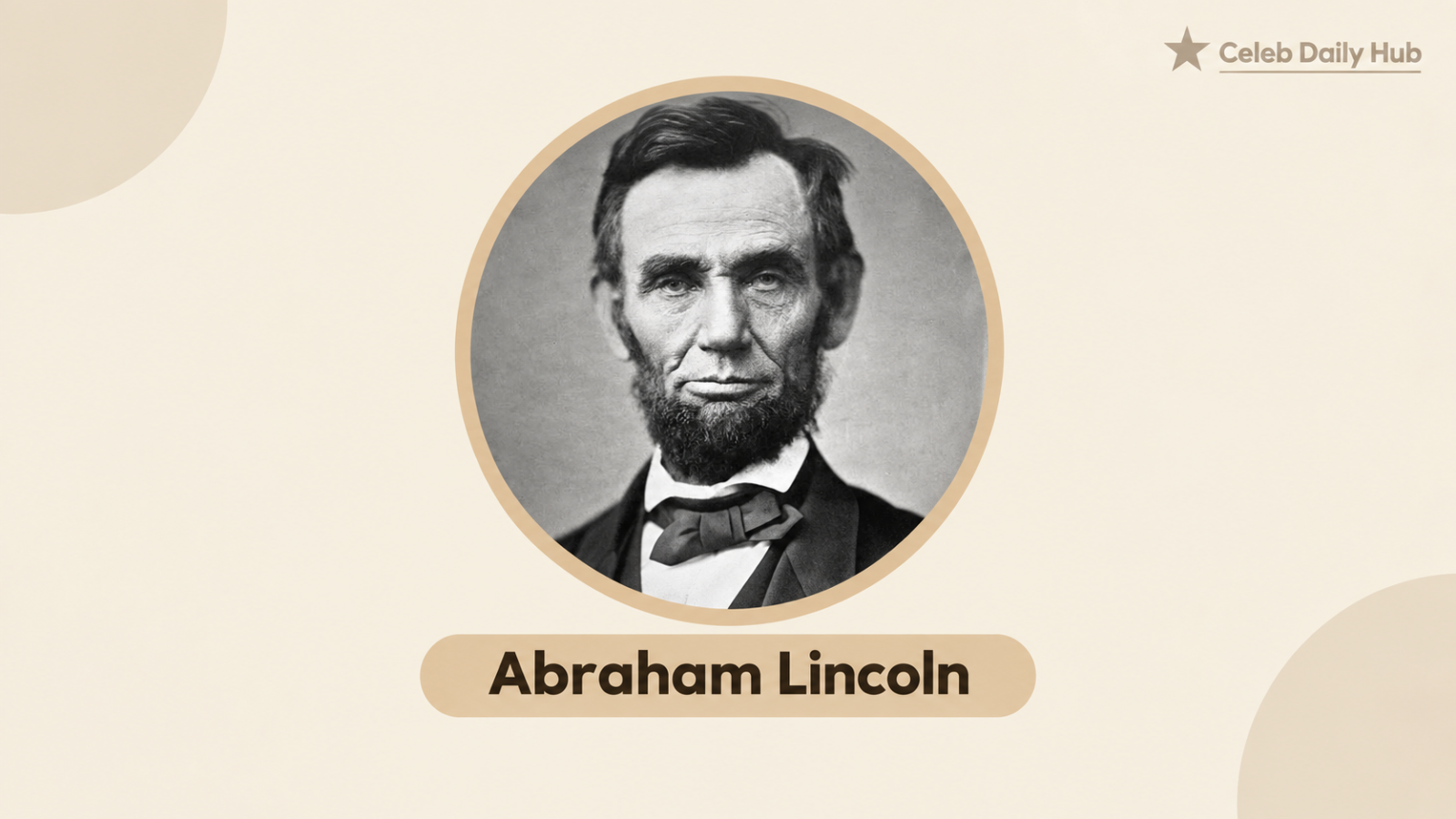
The Abraham Lincoln biography tells the remarkable story of one of the most important figures in American history. Born into a modest family, Lincoln grew from a largely self-educated young man into a lawyer, politician, and the 16th president of the United States. His presidency came during one of the country’s most difficult periods, as the Civil War divided the nation. His leadership, views on slavery, major speeches, and decisions during the war continue to shape how he is remembered today.
Who Was Abraham Lincoln?
Abraham Lincoln was the 16th president of the United States, serving from 1861 until his death in 1865. He is particularly remembered for leading the Union during the Civil War and working toward the end of slavery in the United States.
Before becoming president, Lincoln worked in several occupations and eventually established himself as a lawyer and politician. His ability to communicate clearly, debate political issues, and respond to national challenges helped him rise within American politics.
Abraham Lincoln Early Life and Childhood
The Abraham Lincoln early life and childhood period was marked by hardship, limited formal schooling, and a strong interest in learning. He was born on February 12, 1809, in a log cabin near Hodgenville, Kentucky.
Lincoln spent part of his childhood in Kentucky before his family moved to Indiana and later Illinois. His upbringing in frontier communities exposed him to physically demanding work and the challenges faced by ordinary families.
Although his formal education was limited, Lincoln developed a strong habit of reading and learning independently. That self-education became an important part of his development.
Abraham Lincoln Birthplace and Date of Birth
The Abraham Lincoln birthplace and date of birth are important basic facts in his biography.
- Full name: Abraham Lincoln
- Born: February 12, 1809
- Birthplace: Near Hodgenville, Kentucky
- Died: April 15, 1865
- Presidency: 1861–1865
- Political party: Republican
His birthplace in Kentucky is now preserved as a historic site associated with his early years.
Abraham Lincoln Family
The Abraham Lincoln family played an important role during his childhood and later personal life. His parents were Thomas Lincoln and Nancy Hanks Lincoln.
Lincoln grew up in a working-class frontier household. His family moved several times during his childhood, eventually settling in Illinois, where Lincoln began building his independent life.
Abraham Lincoln Parents
Lincoln’s father, Thomas Lincoln, was a farmer and carpenter. His mother, Nancy Hanks Lincoln, died when Abraham was still young.
After Nancy’s death, Thomas Lincoln married Sarah Bush Johnston, who became an important maternal figure in Abraham’s later childhood.
Abraham Lincoln Siblings
Lincoln had siblings, including his sister Sarah and his brother Thomas Jr., who died during infancy. Sarah remained an important member of his family during his younger years.
Abraham Lincoln Education
The Abraham Lincoln education and early career story is unusual because he received relatively little formal schooling.
Rather than attending school continuously, Lincoln educated himself through reading and independent study. Books on subjects such as law, literature, politics, and history helped him develop his knowledge and communication skills.
His determination to learn became one of the defining characteristics of his early life.
Abraham Lincoln Young Adulthood
During Abraham Lincoln young adulthood, he worked at different jobs while developing his skills and interests. He lived in Indiana and later Illinois, where he worked as a laborer, shopkeeper, surveyor, postmaster, and eventually lawyer.
His experiences among ordinary workers and settlers gave him a practical understanding of frontier life. These experiences also influenced the way he communicated with voters and political audiences.
Abraham Lincoln Career
The Abraham Lincoln career before the presidency included business, surveying, law, and politics.
His professional development did not follow a traditional path. Lincoln gradually built his reputation through persistence, public speaking, legal work, and involvement in local politics.
Abraham Lincoln Legal Career
The Abraham Lincoln lawyer career before presidency was an important stage in his development.
Lincoln studied law largely through self-directed learning and was admitted to the Illinois bar in 1836. He later became a successful lawyer and traveled across Illinois as part of the state’s legal circuit.
His legal career strengthened his ability to analyze complicated issues, construct arguments, and communicate with different audiences.
Abraham Lincoln Political Career
The Abraham Lincoln political career timeline began with his election to the Illinois state legislature in 1834.
He later served in the U.S. House of Representatives and became increasingly involved in national debates over slavery and the expansion of the institution into new territories.
His political reputation grew significantly after his debates with Stephen A. Douglas and his opposition to the expansion of slavery.
Abraham Lincoln Election of 1860
The Abraham Lincoln Election of 1860 marked a major turning point in his life.
Lincoln won the Republican nomination and ran for president during a period of intense disagreement over slavery. He won the election with a plurality of the popular vote and a majority of electoral votes.
His victory alarmed many Southern leaders, and several Southern states soon began seceding from the Union.
Abraham Lincoln Presidency
The Abraham Lincoln presidency began on March 4, 1861, during a rapidly escalating national crisis.
His administration faced the immediate challenge of preserving the Union as Southern states formed the Confederacy. The attack on Fort Sumter in April 1861 marked the beginning of the Civil War.
Lincoln’s presidency was dominated by the conflict. He had to manage military strategy, political disagreements, public opinion, and the enormous human and economic consequences of the war.
Abraham Lincoln Presidency and Major Achievements
The Abraham Lincoln presidency and major achievements are closely connected to the preservation of the Union and the movement toward ending slavery.
Among the most significant developments associated with his presidency were:
- Maintaining the Union during the Civil War
- Issuing the Emancipation Proclamation
- Supporting the eventual abolition of slavery
- Delivering the Gettysburg Address
- Guiding the country through a major constitutional crisis
- Supporting policies that helped shape postwar America
Abraham Lincoln and the Civil War
The Abraham Lincoln and the Civil War story is central to understanding his historical importance.
Lincoln served as commander in chief throughout the conflict. He worked with military leaders, responded to battlefield developments, and attempted to maintain political support for the Union war effort.
The war also transformed Lincoln’s position on slavery. As the conflict continued, emancipation became increasingly connected to Union strategy and the broader goal of reconstructing the nation.
Abraham Lincoln Role in the Civil War
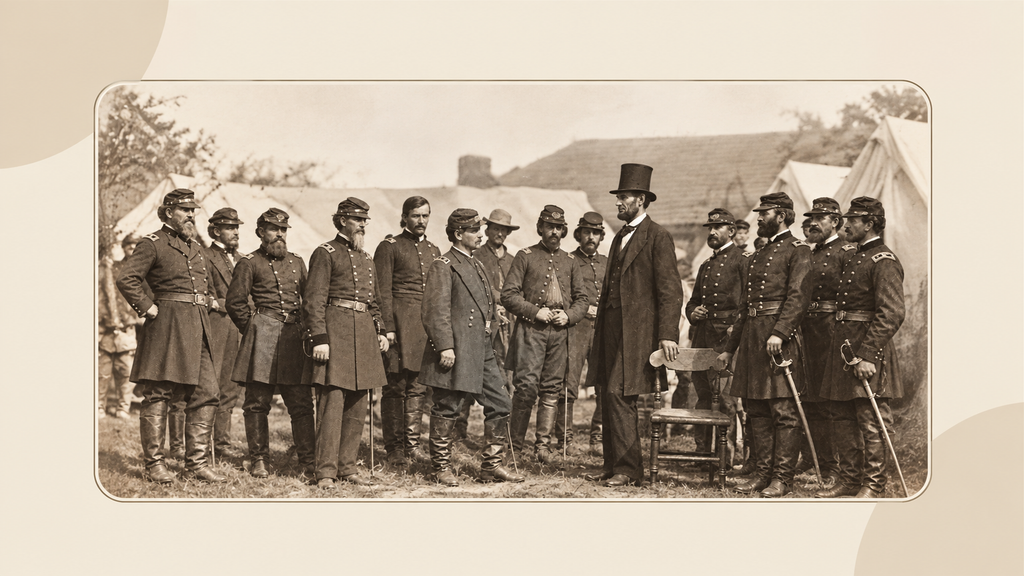
The Abraham Lincoln role in the Civil War extended beyond military decisions. He also had to balance political pressure, public opinion, constitutional questions, and relationships with military commanders.
His leadership helped maintain the Union government during a period when the country’s future was uncertain.
Abraham Lincoln Emancipation Proclamation
The Abraham Lincoln Emancipation Proclamation became one of the most important documents associated with his presidency.
The preliminary proclamation was announced in September 1862, and the final Emancipation Proclamation took effect on January 1, 1863. It declared enslaved people in areas still in rebellion against the United States to be free.
The proclamation did not immediately end slavery everywhere in the country, but it changed the character of the war and connected the Union cause more directly with emancipation.
Abraham Lincoln Gettysburg Address
The Abraham Lincoln Gettysburg Address was delivered on November 19, 1863, at the dedication of the Soldiers’ National Cemetery in Gettysburg, Pennsylvania.
The speech reflected on the meaning of the Civil War and emphasized ideas of equality, democracy, national unity, and government.
Although the address was brief, it became one of the most widely remembered speeches in American history.
Abraham Lincoln Leadership
Abraham Lincoln leadership was characterized by persistence, communication, political judgment, and the ability to work through intense disagreement.
He regularly faced criticism from political opponents and pressure from different groups within the Union. Rather than avoiding difficult decisions, he attempted to balance competing interests while maintaining the broader objective of preserving the nation.
His leadership style remains widely studied by historians and political scholars.
Abraham Lincoln Views on Slavery
Lincoln’s views on slavery developed within the political and social circumstances of his time.
He consistently opposed the expansion of slavery into new territories, although his positions and policies evolved during the Civil War. By 1863, emancipation had become a major part of the Union war effort.
Lincoln later supported a constitutional amendment that would abolish slavery throughout the United States. The 13th Amendment was passed by Congress in January 1865 and ratified after his death.
Abraham Lincoln Family Life
The Abraham Lincoln family life section of his story provides a different perspective on the president beyond politics.
Lincoln married Mary Todd in 1842. Together, they had four sons: Robert, Edward, William, and Thomas, commonly known as Tad.
The family experienced significant personal loss. Edward and William died while still young, deeply affecting the Lincoln family.
Abraham Lincoln Wife Mary Todd Lincoln
Mary Todd Lincoln was born in Kentucky and came from a relatively prominent family. She married Abraham Lincoln in 1842, and she became First Lady when Lincoln assumed the presidency.
Her time in the White House coincided with the Civil War, making her years as First Lady particularly difficult and historically significant.
Abraham Lincoln Children
The Abraham Lincoln children were Robert, Edward, William, and Thomas.
Robert Todd Lincoln was the only Lincoln child to survive into adulthood and later became a lawyer and government official.
Abraham Lincoln Physical Appearance
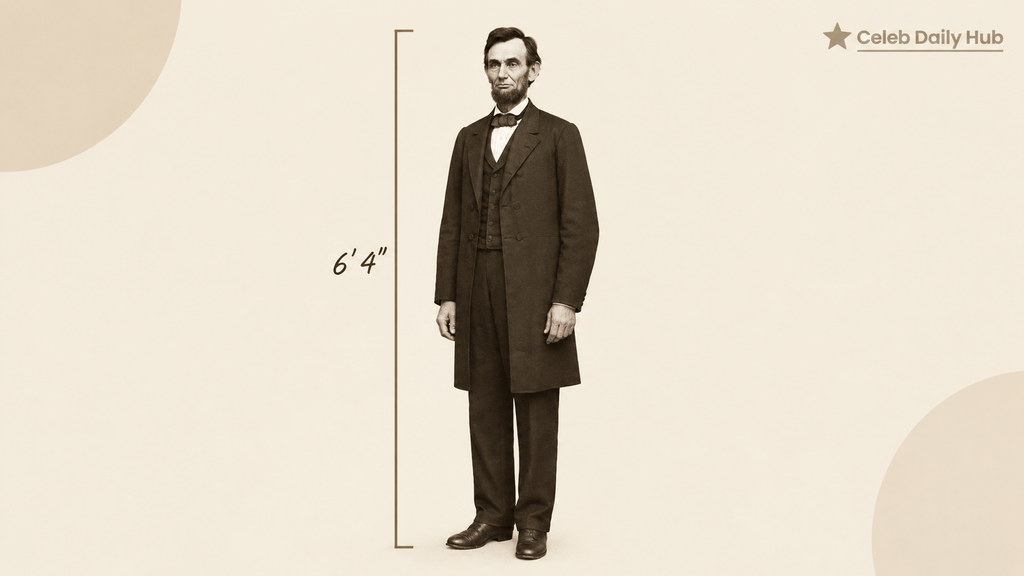
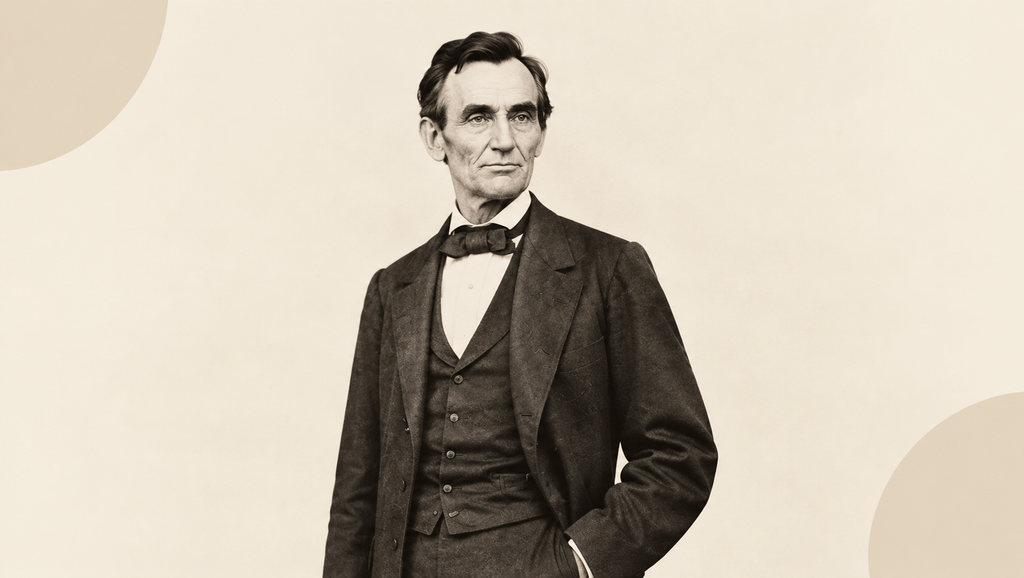
Lincoln was known for his distinctive appearance. He was notably tall, with a lean build, prominent facial features, and a characteristic beard during the later years of his presidency.
His physical appearance became strongly associated with his public image, particularly through photographs taken during his presidency.
Abraham Lincoln Personality
Descriptions of Abraham Lincoln personality often emphasize his humor, intelligence, patience, empathy, and seriousness.
He was also known for telling stories and using humor when communicating with others. At the same time, the enormous pressure of the Civil War required him to make difficult decisions with far-reaching consequences.
Abraham Lincoln Famous Quotes
Abraham Lincoln famous quotes remain widely discussed because many of his speeches and writings address democracy, leadership, equality, and national unity.
His most famous words are often associated with speeches such as the Gettysburg Address and his second inaugural address. When quoting Lincoln, historical context is important because individual lines can sometimes be separated from the circumstances in which he originally expressed them.
Abraham Lincoln Major Achievements
The Abraham Lincoln major achievements include several developments that had lasting consequences for the United States.
His most important achievements include:
- Preserving the Union during the Civil War.
- Issuing the Emancipation Proclamation.
- Supporting the abolition of slavery.
- Delivering the Gettysburg Address.
- Guiding the country through its most serious internal conflict.
- Supporting policies intended to rebuild the nation after the war.
Abraham Lincoln Assassination
The Abraham Lincoln assassination occurred on April 14, 1865, when Lincoln was attending a performance at Ford’s Theatre in Washington, D.C.
He was attacked by John Wilkes Booth, a well-known actor and Confederate sympathizer. Lincoln was carried to a nearby building for medical care but died the following morning, April 15, 1865.
His death came only days after the surrender of Confederate General Robert E. Lee’s army at Appomattox Court House.
Abraham Lincoln Death and Burial
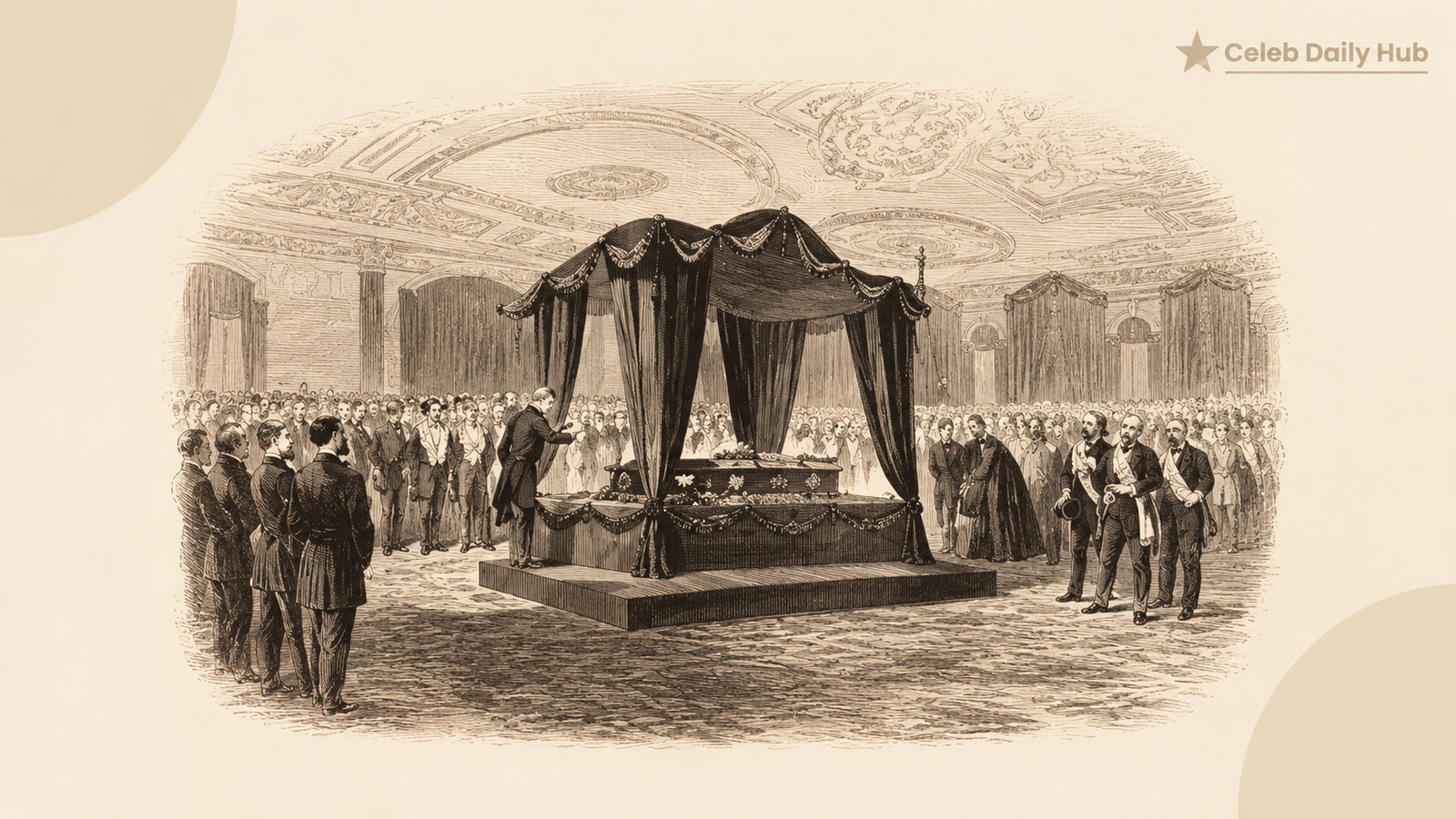
The Abraham Lincoln death and burial became a major national event.
After his death, Lincoln’s body was transported by train from Washington, D.C., to Illinois. The journey included stops in several cities, where large crowds gathered to pay their respects.
He was ultimately buried at Oak Ridge Cemetery in Springfield, Illinois.
Abraham Lincoln Legacy
The Abraham Lincoln legacy and historical impact remain significant more than a century after his death.
He is remembered primarily for preserving the Union, his role in the abolition of slavery, and his leadership during the Civil War. His speeches also contributed to an enduring image of democratic government and national unity.
Lincoln’s presidency continues to be examined in classrooms, historical studies, political discussions, and biographies around the world.
Abraham Lincoln Interesting Facts
Some Abraham Lincoln interesting facts include:
- He was born in Kentucky in 1809.
- He largely educated himself through reading.
- He worked as a lawyer before becoming president.
- He served in the Illinois legislature and U.S. House of Representatives.
- He was the first Republican president of the United States.
- He was president during the Civil War.
- He issued the Emancipation Proclamation.
- He delivered the Gettysburg Address.
- He was the first U.S. president to be assassinated.
Abraham Lincoln Timeline
| Year | Major Event |
|---|---|
| 1809 | Born in Kentucky |
| 1816 | Lincoln family moved to Indiana |
| 1830 | Lincoln moved to Illinois |
| 1834 | Elected to Illinois legislature |
| 1836 | Admitted to Illinois bar |
| 1842 | Married Mary Todd |
| 1846 | Elected to the U.S. House of Representatives |
| 1858 | Participated in debates with Stephen A. Douglas |
| 1860 | Elected president |
| 1861 | Civil War began |
| 1863 | Emancipation Proclamation took effect and Gettysburg Address delivered |
| 1864 | Won reelection |
| 1865 | Assassinated and died |
Frequently Asked Questions
How old was Abraham Lincoln when he died?
Abraham Lincoln was 56 years old when he died on April 15, 1865.
Where was Abraham Lincoln born?
Abraham Lincoln was born near Hodgenville, Kentucky, on February 12, 1809.
Who were Abraham Lincoln’s parents?
His parents were Thomas Lincoln and Nancy Hanks Lincoln.
Who was Abraham Lincoln’s wife?
Abraham Lincoln’s wife was Mary Todd Lincoln, whom he married in 1842.
How many children did Abraham Lincoln have?
Lincoln and Mary Todd Lincoln had four sons: Robert, Edward, William, and Thomas.
What was Abraham Lincoln’s role in the Civil War?
As president, Lincoln served as commander in chief of the Union and guided the federal government through the Civil War.
What was the Emancipation Proclamation?
It was a wartime proclamation issued by Lincoln that declared enslaved people in areas still in rebellion against the United States to be free.
Why is Abraham Lincoln remembered?
Lincoln is remembered for preserving the Union, his role in ending slavery, his Civil War leadership, and influential speeches such as the Gettysburg Address.
Conclusion
The Abraham Lincoln biography represents the story of a self-educated frontier lawyer who rose to become president during one of America’s greatest crises. His early life, legal and political career, leadership during the Civil War, position on slavery, family experiences, and tragic assassination all contributed to his place in history. His presidency transformed the nation and created a legacy that continues to influence how Americans understand leadership, democracy, freedom, and national unity.

Muhammad Haris is an SEO enthusiast, digital marketer, and website developer passionate about SEO, content creation, and growing online businesses. He enjoys sharing useful, well-researched information and developing digital projects.